

Healthy Gums, Healthy Smile: The Importance of Periodontal Maintenance
Your gums are the foundation of your smile, and keeping them healthy is one of the most important steps you can take to protect your teeth for years to come. If you’ve previously been treated for gum disease, periodontal maintenance plays a vital role in managing your oral health and reducing the risk of future complications.
At Brian C. Mathison DDS, Family Dentistry, Dr. Mathison helps patients maintain healthy gums through personalized attention, advanced technology, and ongoing preventive dentistry.
Whether you’re maintaining the results of previous periodontal treatment or looking to improve your gum health, our team is here to help. Call our dental practice in Fargo at 701-356-3999 to schedule your appointment and take an important step toward protecting your smile. We welcome patients from West Fargo, Moorhead, and Dilworth.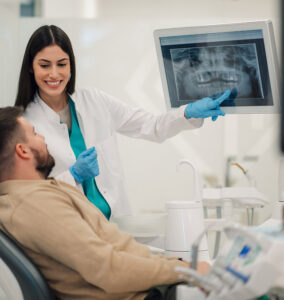
Why Patients Trust Brian C. Mathison DDS for Periodontal Maintenance
Since opening in 2002, Dr. Brian Mathison has built a reputation for providing high-quality dental care while helping patients feel comfortable and informed. Our experienced dental team takes the time to answer questions, discuss concerns, and help patients make confident decisions about their oral health.
The goal is simple: provide exceptional care while supporting each patient’s long-term dental health goals.
Periodontal Maintenance for Patients in Fargo, West Fargo, Moorhead & Dilworth
Conveniently located at 4742 Amber Valley Pkwy SW, our independent practice is deeply connected to the vibrant community of Fargo.
We focus on building multi-generational relationships, ensuring that your visits feel less like a clinical chore and more like catching up with trusted neighbors who happen to be experienced in oral health.
What is Periodontal Maintenance?
Periodontal maintenance is a specialized cleaning for patients who have a history of periodontal disease. Unlike a routine dental cleaning, periodontal maintenance focuses on monitoring gum health and removing bacteria from areas that are more susceptible to infection.
Patients who have completed scaling and root planing or other forms of periodontal therapy often transition into a periodontal maintenance schedule to support long-term oral health.
Signs You May Need Periodontal Maintenance
Many patients benefit from periodontal maintenance when they have experienced:
- Previous treatment for gum disease
- Gum inflammation or tenderness
- Persistent bad breath
- Gum recession
- Deep periodontal pockets
- Bone loss around teeth
- Bleeding gums during brushing or flossing
If you have a history of periodontal concerns, maintaining regular appointments can help identify changes before they become more significant problems.
What Happens During a Periodontal Maintenance Appointment?
If you are a bit nervous about what happens during a maintenance visit, knowing what to expect can help ease your mind. Every step is gentle, thorough, and focused on keeping your smile stable and comfortable.
- Checking Your Gum Pockets: Your hygienist will use a tiny, specialized tool to measure the small spaces between your teeth and gums gently. We track these numbers at every visit to ensure your gums are healing and remaining stable.
- Deep Cleaning Beneath the Gumline: Using gentle hand tools, your clinician carefully removes plaque and tartar buildup from below the gumline and in periodontal pockets. Making the roots smooth makes it much harder for new bacteria to cling to them.
- A Thorough Check by the Doctor: Dr. Mathison will personally examine your teeth, gums, and bone stability. He will evaluate your gums, teeth, and supporting bone structure and may recommend diagnostic imaging when necessary.

- A Refreshing Rinse: Additional therapies may be recommended when appropriate, based on your periodontal condition.
Periodontal Maintenance vs. Routine Dental Cleanings
Routine Dental Cleanings
Think of a routine cleaning as preventive care for a healthy smile. It is ideal for individuals who have firm, pink gums and strong bone support around their teeth.
- Where It Focuses: The cleaning takes place entirely on the part of your teeth that you can see above the gumline.
- The Main Goal: Your hygienist removes everyday plaque, hardened tartar, and surface stains to keep cavities and early gum irritation (gingivitis) from starting.
- How Often: This is your standard checkup, usually scheduled every six months.
Periodontal Maintenance
Periodontal maintenance is a specialized, supportive treatment for individuals who have experienced gum disease. When gum disease progresses, it causes the gums to pull away from the teeth and weakens the bone that holds your teeth in place.
- Where It Focuses: This care goes deeper, reaching way past the gumline into the hidden spaces where regular toothbrushes and floss simply cannot reach.
- The Main Goal: Because gum disease changes the shape of your gum tissue, it creates deep pockets where aggressive bacteria love to hide. This treatment clears out those deep bacterial buildup areas and helps control the bacterial infection associated with periodontal disease
- How Often: Because these stubborn oral bacteria multiply quickly, these appointments are usually scheduled every three to four months to keep the infection from returning.
Aftercare Tips and Guidelines for Periodontal Maintenance
Soothing Your Smile After Treatment
Because we are clearing away buildup from sensitive areas around the roots of your teeth, it is completely normal to feel a little bit of temperature sensitivity or minor gum tenderness for a few days.
- Use a toothpaste made for sensitive teeth to help calm the nerves around your roots.
- Rinse your mouth gently with warm salt water a few times a day to soothe the tissue and speed up your natural healing.
Leveling Up Your Daily Routine
- Use a Soft or Electric Toothbrush: Avoid stiff bristles, which can scrub away your delicate gum tissue. Tilt your brush slightly toward the gumline to gently clear away plaque where the tooth meets the gum.
- Try New Ways to Clean Between Teeth: When gum disease causes bone loss, standard floss might not be able to clear out the wider spaces left behind. Try using a water flosser or tiny, flexible interdental brushes to easily sweep away food and plaque between your teeth.
- Keep Away from Tobacco: Smoking or chewing tobacco slows down the blood flow to your gums. This makes it much harder for your body to fight off infections and heal properly.